2026 Best Warm Dimming LED Technology for Luxury Hotels?

Time:2026-09-15 Author:Liam
0%

In 2026, warm dimming LED technology is becoming a central lighting choice for luxury hotels. It changes color temperature as brightness decreases, creating a warmer, candle-like atmosphere. Guests may notice only the feeling, not the engineering.

A lobby can shift from a bright 3000K welcome to a softer 2200K evening glow. In guest rooms, bedside lights can dim gently without appearing cold or clinical. Restaurants, spas, and corridors also benefit from this controlled transition. The result feels more residential, especially when paired with stone, timber, brass, and textured fabrics.

So, why do luxury hotels prefer warm dimming LED technology? The answer involves comfort, visual quality, energy management, and brand identity. Designers can create calmer spaces without replacing fixtures between daytime and evening scenes. Hotel operators may also reduce unnecessary brightness while supporting a more memorable guest experience. However, technology alone cannot create luxury. Poor dimming curves, visible flicker, or mismatched color rendering can quickly damage the atmosphere.

This guide examines the most important warm dimming LED developments for 2026. It considers driver performance, color consistency, control systems, maintenance, and practical installation details. Real-world hotel conditions matter. A beautiful sample room can hide problems that appear after months of operation.

There is no perfect solution. Some projects still need conventional dimming. Others may face budget, wiring, or compatibility limits. A reliable decision requires testing the complete fixture system, not only the LED module. That small distinction can prevent expensive disappointment.
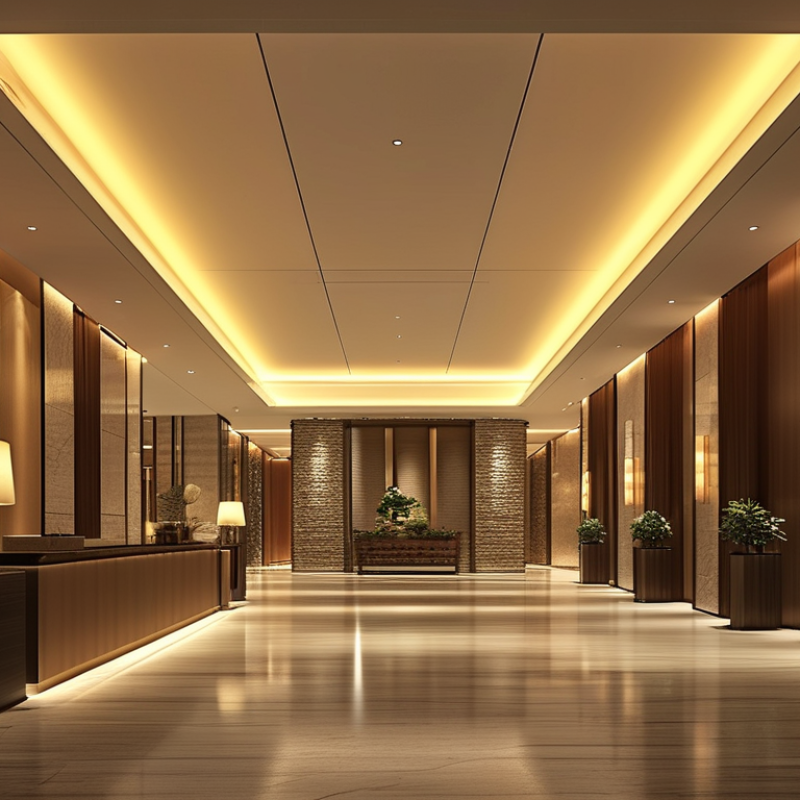
2026 Best Warm Dimming LED Technology for Luxury Hotels?

What Warm Dimming LED Technology Means for Luxury Hotel Lighting

What Warm Dimming LED Technology Means for Luxury Hotel Lighting

Warm dimming LED technology changes both brightness and color temperature together. As guests lower the light, the tone shifts from a clean white to a warmer amber glow. This effect resembles traditional incandescent lighting. In luxury hotels, it can make bedside areas, lounges, and private dining rooms feel calmer within seconds.

For 2026 projects, designers often specify a range from about 2700K down to 1800K or 2200K. The exact range depends on the room’s materials, finishes, and operating hours. Dark wood may need softer light, while marble can require stronger visual contrast. High color rendering remains essential for artwork, food, skin tones, and textiles. Flicker control also matters, especially in guest rooms with phones and cameras.

Warm dimming is not a perfect solution. Poorly matched drivers can create uneven color changes or sudden brightness jumps. I have found that mock-up testing reveals problems that drawings often miss. Guests may prefer a brighter setting than designers expect. Control simplicity matters.

Tips: Test the full dimming range in a furnished room. Check the light at eye level and across reflective surfaces. Confirm smooth transitions, low flicker, and consistent color between fixtures. Train staff to adjust scenes without technical assistance. A beautiful system can still fail when nobody knows how to use it.

2026 Best Warm Dimming LED Technology for Luxury Hotels?

What Warm Dimming LED Technology Means for Luxury Hotel Lighting

Warm dimming LEDs are designed to reproduce the visual behavior of traditional incandescent lighting: as the light level decreases, the correlated color temperature shifts from a bright 2700 K toward a warmer 1800 K. This progression can create a more intimate atmosphere in guest rooms, restaurants, lounges, spas, and corridors while supporting layered lighting control.

The chart shows a representative hospitality warm-dimming target curve using common 1800–2700 K design ranges. Actual color temperature and light output vary by fixture, driver, control system, and installation.

How Warm Dimming LEDs Change Color Temperature and Brightness

Warm dimming LEDs are becoming a practical choice for luxury hotels in 2026. Unlike standard dimming, they lower brightness while shifting color temperature toward warmer tones. A typical system moves from 2700K at full output to 1800K at low output. This resembles the visual comfort of incandescent lighting.

The change is not merely decorative. The IEA’s Energy Efficiency 2024 report estimates that lighting represents about 15% of global electricity consumption. Better dimming can reduce unnecessary evening energy use. However, performance depends on the fixture, driver, and control curve. A 50% dim level does not always appear half as bright. The U.S. Department of Energy’s SSL R&D reports also identify spectral control as an important direction for higher-quality solid-state lighting. For color evaluation, IES TM-30-20 measures 99 color evaluation samples, offering deeper analysis than traditional eight-sample CRI. Guestroom fabrics may still appear different under warm light. That needs testing.

Tips: Request measurements at 2700K, 2200K, and 1800K. Check flicker, fade smoothness, and color consistency. Install a sample beside wood, stone, and skin-tone materials. The control curve is rarely perfect. A 2200K setting may look luxurious in one lounge, but too amber in another. Verify the experience onsite before specifying every guest area.

Key Benefits of Warm Dimming LEDs in Luxury Hotel Spaces

In luxury hotels, warm dimming LEDs can make a lobby feel calmer as evening approaches. They shift from a crisp white tone to a warmer glow while brightness decreases. This supports layered lighting around reception desks, corridors, restaurants, and guest rooms. A 3000K setting may suit daytime activity. Near bedtime, 2200K can soften marble, wood, and fabric finishes. The change should feel gradual, not theatrical. Guests notice comfort before they notice the equipment.

The main benefit is atmosphere with practical control. Staff can create brighter scenes for arrivals and softer scenes for late-night movement. Lower brightness can also reduce glare on polished floors and glass surfaces. In rooms, warmer light may help guests transition toward rest without switching every fixture manually. Good systems need stable dimming, low flicker, accurate color rendering, and quiet drivers. These details matter during inspections. A beautiful sample can disappoint when multiple fixtures dim unevenly.

Installation experience shows that success depends on commissioning, not only product selection. Designers should test scenes at eye level, beside mirrors, and across long corridors. They should check performance with emergency lighting and building controls. Yet warm dimming is not perfect. Very warm settings can distort artwork colors or make wayfinding less clear. Hotel teams should collect guest feedback after opening and adjust schedules accordingly. A small mismatch between the mock-up and the finished room is common, so calibration deserves time and ownership.

How to Select Warm Dimming LED Systems for Different Hotel Areas

2026 Best Warm Dimming LED Technology for Luxury Hotels?

Selecting warm dimming LED systems requires more than choosing a lower color temperature. Guest comfort, visual quality, controls, and maintenance must work together. In guestrooms, select fixtures that shift smoothly from about 2700K toward 1800K. This range supports bright reading light and a softer evening atmosphere. Check the dimming curve at low output. Some systems appear acceptable at 50%, then become uneven below 20%. That detail matters beside a bed.

Lobby lighting needs stronger visual consistency. Use high color rendering, stable dimming, and carefully matched fixtures across reception desks, artwork, and seating areas. A slight color mismatch can make polished stone appear dull. In restaurants, test food presentation under warm settings before approval. Skin tones and tableware should remain natural. Spa areas may benefit from deeper warmth, but excessive amber light can reduce wayfinding clarity.

Corridors, elevators, and meeting rooms need a different balance. Warm light can improve comfort, yet stairs and signs still require clear contrast. Confirm compatibility between drivers, sensors, dimmers, and the hotel control platform. Ask for flicker measurements, emergency behavior, and a long-term maintenance plan. I have seen beautiful mock-ups fail after installation because low-level dimming was never tested onsite. A pilot room is worth the delay. It reveals reflections, shadows, and guest reactions that drawings cannot predict.

Installation, Control, and Maintenance Requirements for Warm Dimming LEDs

Warm dimming LEDs can make a hotel lobby feel calm at night, but installation quality decides the result.

The U.S. Department of Energy’s 2023 Solid-State Lighting R&D Opportunities report records laboratory LED efficacy above 200 lumens per watt. Hotel projects usually achieve less, because drivers, heat, optics, and controls reduce system performance. Specify matched LED modules and constant-current drivers. Confirm the dimming protocol before ordering. A 2700K-to-1800K range should be tested beside stone, wood, and fabrics, not only on a specification sheet.

Control settings need equal attention. Use separate scenes for arrival, dining, housekeeping, and late-night circulation. DALI-2 and DMX systems can support precise fades, but poor commissioning still creates visible steps or flicker. The Illuminating Engineering Society’s TM-30 method offers a stronger color-evaluation framework than CRI alone, especially for artwork and skin tones. Record minimum dim levels, fade times, and emergency-lighting behavior. One missed setting can affect an entire guest floor.

Tips: Build a full-scale mock-up before installation. Check driver noise, flicker, color shift, and heat after several hours. Keep spare drivers and documented addressing information on site. The U.S. DOE notes that LED lifetime depends heavily on temperature and electrical conditions, not just rated hours. Clean lenses gently, inspect connectors annually, and compare sampled rooms against the approved reference. Maintenance teams often replace one failed component quickly; that can create mismatched color. Recheck the scene afterward.

FAQS

What is warm dimming LED technology?

It lowers brightness while shifting light toward warmer amber tones. A common range moves from 2700K to 1800K. It feels softer at night.

Where does warm dimming work well in hotels?

It suits bedside tables, lounges, private dining rooms, and quiet corridors. Guests can move from bright evening light to a calmer glow. The change happens within seconds.

Why does color temperature matter in hotel interiors?

Warm light can soften dark wood and create stronger contrast on pale stone. It also changes how fabrics, food, artwork, and skin tones appear. Materials can surprise you.

Does warm dimming reduce energy use?

Lower evening brightness can reduce unnecessary lighting energy. Actual savings depend on operating hours, controls, fixtures, and user habits. It is not automatic.

What should designers test before approving the system?

Test settings around 2700K, 2200K, and 1800K in a furnished room. Check light at eye level and across reflective surfaces. Test beside wood, stone, fabric, and skin tones.

Can warm dimming create visual problems?

Yes. Poorly matched drivers may cause flicker, uneven color shifts, or sudden brightness jumps. A smooth drawing cannot guarantee a smooth result.

How should hotel lighting controls be configured?

Create separate scenes for arrival, dining, housekeeping, and late-night circulation. Record fade times, minimum brightness, and emergency behavior. Keep controls simple.

What maintenance does warm dimming lighting require?

Inspect connectors, lenses, heat conditions, and driver performance regularly. Keep spare components and clear addressing records onsite. Recheck nearby fixtures after replacing one component.

Why is a full-scale mock-up valuable?

It reveals problems that plans and specification sheets often hide. Guests may prefer brighter settings than designers expect. The mock-up may challenge your assumptions.

Conclusion

Warm dimming LED technology is becoming a preferred lighting solution for luxury hotels because it combines flexible brightness control with a naturally warmer color temperature. As lights are dimmed, the color can shift from a clean, brighter white to a soft, candle-like glow, creating a more comfortable and sophisticated atmosphere. This answers the question: why do luxury hotels prefer warm dimming LED technology? It supports guest comfort, enhances interior design, improves visual relaxation, and helps different spaces feel more welcoming throughout the day.

In guest rooms, restaurants, lounges, spas, corridors, and event areas, the right warm dimming system should match each space’s function, ceiling height, design style, and control needs. Proper installation requires compatible drivers, dimmers, wiring, and control systems, while regular maintenance should include checking performance, connections, and light consistency. When carefully selected and professionally installed, warm dimming LEDs can provide reliable, energy-conscious illumination while strengthening the calm, premium experience expected in luxury hospitality environments.

Liam

Liam

Liam is a dedicated marketing professional with a profound expertise in the industry, where he excels at highlighting the unique advantages of our core products. With a keen understanding of market trends and consumer needs, Liam frequently updates our company’s professional blog, providing......