What is the Difference Between Ambient and Accent Lighting in Hotels?

Time:2026-07-22 Author:Oliver
0%

In the world of hotel design, lighting plays a crucial role in creating an inviting atmosphere. To explore "what is the difference between ambient and accent lighting in hotels," we turned to industry expert, Sarah Thompson, an acclaimed interior designer known for her work in luxury hospitality. She once remarked, “The right lighting transforms a space into an experience.”

Ambient lighting serves as the foundation, providing overall illumination and establishing a warm environment. It shapes guests' perceptions from the moment they enter the lobby. In contrast, accent lighting highlights specific features, such as artwork or architectural details, bringing them to life. Thompson emphasizes that effective lighting enhances comfort and drives emotional engagement, essential in the competitive hotel market.

Understanding the differences between these two lighting types can lead to better design choices. While ambient lighting creates a cozy atmosphere, accent lighting adds character and depth. Not all hotels master this balance effectively. Inadequate or overpowering lighting can detract from the guest experience. Thus, delving into "what is the difference between ambient and accent lighting in hotels" is fundamental for any successful hospitality project.
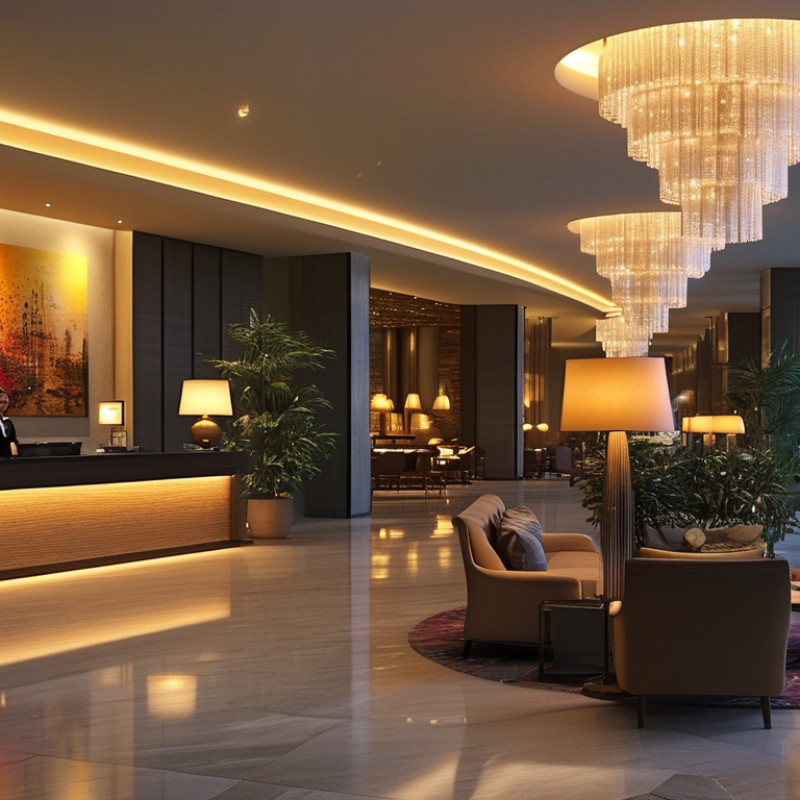
What is the Difference Between Ambient and Accent Lighting in Hotels?

Understanding Ambient Lighting in Hotel Environments

Ambient lighting plays a crucial role in hotel environments. It sets the mood and creates a welcoming atmosphere for guests. This type of lighting provides a uniform illumination, making spaces feel cozy yet functional. It highlights architectural features and can evoke a sense of tranquility. Choosing the right fixtures and bulbs is essential for effective ambient lighting.

When designing ambient lighting, consider the color temperature. Warmer tones often create a relaxing atmosphere. Bright, cool lights can energize spaces but may feel stark. Layering different light sources, such as wall sconces and ceiling fixtures, adds depth. Ensure that light levels can be adjusted for various times of the day.

Tips for effective ambient lighting: Use dimmer switches to create different moods throughout the day. Experiment with the placement of lights to find the most inviting arrangement. Regular maintenance of light fixtures ensures they remain impactful and appealing. Remember that good lighting is not just about illumination; it’s about enhancing the overall guest experience. Evaluate and adapt as necessary.

Defining Accent Lighting and Its Purpose in Hospitality

Accent lighting plays a crucial role in hospitality design. It goes beyond mere visibility. This type of lighting emphasizes specific areas or architectural features, creating a distinct atmosphere in hotels. For example, a well-placed spotlight can highlight a stunning piece of art or a curated display. This focus draws guests' eyes and enhances their experience.

The purpose of accent lighting is to evoke emotions and set a mood. It can transform a simple lobby into an inviting space. The right accent lights can elevate the décor and contribute to a hotel's overall theme. However, mismanaged accent lighting can feel harsh or distracting. It's essential to test various intensities and placements before finalizing them. Sometimes, less is more. A subtle glow can intrigue without overwhelming. Finding balance often requires reflection and adjustment.

Key Differences Between Ambient and Accent Lighting in Hotels

Ambient and accent lighting serve distinct purposes in hotel design. Ambient lighting provides overall illumination. It ensures that spaces are well-lit and comfortable. This type of lighting creates a welcoming atmosphere. It often uses ceiling fixtures and soft lamps to achieve a warm glow.

Accent lighting, on the other hand, adds drama and highlights features. It focuses on artwork, architectural elements, or special areas within the hotel. Spotlights and wall sconces are commonly used for this purpose. This lighting type creates visual interest and draws guests' attention.

When designing hotel lighting, consider these tips: Use warm tones for ambient lighting to enhance relaxation. For accent lighting, choose fixtures that complement the hotel's style. Balance both types. Too much accent lighting can be overwhelming. Test different layouts and make adjustments as needed. It's valuable to re-evaluate the lighting periodically. Observing how guests interact with the space helps refine your choices.

What is the Difference Between Ambient and Accent Lighting in Hotels?

Lighting Type Definition Purpose Example
Ambient Lighting General lighting that provides a uniform level of illumination throughout a space. To create a comfortable overall illumination that allows for visibility and navigation. Ceiling-mounted lights, wall sconces, or recessed lighting.
Accent Lighting Focused lighting that highlights a specific object, feature, or area. To draw attention and create visual interest, adding an artistic element to the environment. Spotlights on artwork or decorative elements, backlighting shelves.
Intensity Generally softer and diffused, providing a glow. N/A N/A
Color Often warm and neutral tones for comfort. N/A N/A
Control Designed to be used continuously and complement other types. N/A N/A

Examples of Effective Ambient and Accent Lighting in Hotels

Ambient and accent lighting are crucial in creating the right atmosphere in hotels. Ambient lighting provides a soft, overall glow. It fills the space and makes it inviting. Common examples include ceiling lights, wall sconces, and pendant fixtures. These lights often use warm tones to enhance comfort.

Accent lighting, on the other hand, highlights specific features. It directs attention to artwork, architectural details, or plants. Track lights or spotlights are common choices. They can make a lobby feel upscale or spotlight a beautiful chandelier. The contrast between these two types of lighting adds depth and character.

Tips: Select warm ambient lighting to create a cozy environment. Invest in dimmers for versatility. For accent lighting, choose fixtures that enhance the hotel's unique features. This combination can elevate guest experiences. Effective use of lighting can transform a simple space into an inviting retreat. Consider the emotional impact of your choices.

Choosing the Right Lighting Strategy for Hotel Design

Lighting plays a crucial role in hotel design. It influences guest experience and highlights architectural features. Choosing the right strategy is vital for creating ambiance. Ambient lighting provides a soft, overall glow. This helps guests feel comfortable and relaxed. It sets the mood for common areas and guest rooms.

Accent lighting, on the other hand, adds interest. It draws attention to artwork, plants, or architectural details. This type of lighting can create focal points. It introduces drama and enhances aesthetics. However, the balance between these lighting types can be tricky. Too much accent lighting can be overwhelming. Insufficient ambient light can make spaces feel cold.

Consider the purpose of each area when designing lighting. Areas like lobbies may benefit from ambient warmth. Meanwhile, restaurants might need more accent features. Experimentation is key to achieving harmonious lighting. Hotel design should reflect a unique identity. Remember, lighting can change perceptions and emotions in profound ways.

Comparison of Ambient and Accent Lighting in Hotels

The chart above illustrates the typical usage percentage of ambient and accent lighting in hotel designs. Ambient lighting accounts for a larger portion (70%) as it provides general illumination, while accent lighting, responsible for highlighting certain areas or features, comprises 30%.

FAQS

: What is ambient lighting?

: Ambient lighting provides uniform illumination, creating a cozy atmosphere in hotel environments.

How does ambient lighting affect guest experience?

It sets the mood and enhances comfort, making spaces feel inviting and calming.

What color temperature should be used for ambient lighting?

Warmer tones create relaxation, while bright, cool lights can energize a space but may feel harsh.

Why is layering lighting important?

Layering different sources, like ceiling fixtures and wall sconces, adds depth and interest to spaces.

How can dimmer switches impact ambiance?

Dimmers allow adjustment of light levels, helping create different moods throughout the day.

What is the role of accent lighting in hotels?

Accent lighting highlights artwork and features, introducing drama and adding focus to design elements.

How can improper balance between lighting types affect a space?

Too much accent lighting can overwhelm, while insufficient ambient light may create a cold atmosphere.

What should be considered when designing lighting for hotels?

Evaluate the purpose of each area to choose appropriate lighting strategies, enhancing the guest experience.

How often should light fixtures be maintained?

Regular maintenance ensures fixtures remain effective and visually appealing, impacting the overall ambiance.

Why is experimentation important in lighting design?

Testing different placements and types helps achieve a harmonious lighting effect tailored to each space.

Conclusion

In exploring the question of "what is the difference between ambient and accent lighting in hotels," it is essential to understand their distinct roles within hotel environments. Ambient lighting serves as the primary light source, creating a welcoming and comfortable atmosphere for guests. It ensures that spaces are adequately illuminated for general use, contributing to the overall mood of the hotel. In contrast, accent lighting has a more targeted purpose; it highlights specific architectural features, artwork, or areas within the hotel, adding depth and visual interest.

The key differences between these two lighting types lie in their functionality and design objectives. While ambient lighting provides an even and overall glow, accent lighting enhances particular elements, drawing attention and creating focal points. Effective examples of both can be found in various hotels, where a harmonious balance between them is crucial for successful design. Therefore, when choosing the right lighting strategy for hotel design, understanding these differences becomes vital in crafting an inviting and aesthetically pleasing guest experience.

Oliver

Oliver

Oliver is a seasoned marketing professional with a wealth of expertise in driving brand awareness and engagement. With a deep understanding of our company's product offerings, he consistently delivers high-quality content that enriches our professional blog. His insights not only shed light on......